Our Horses
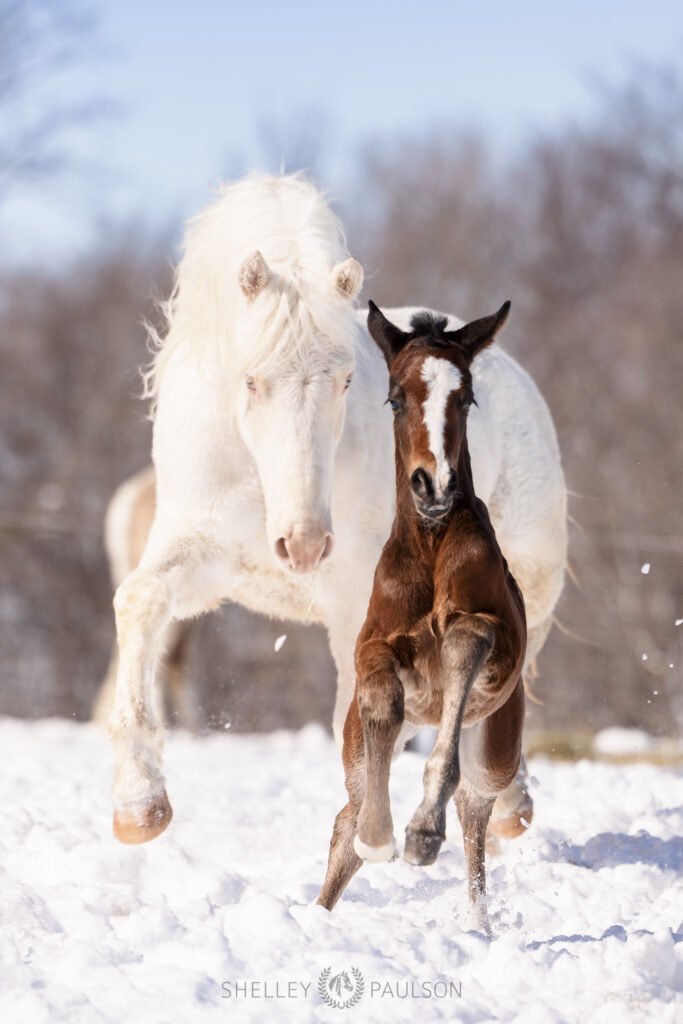
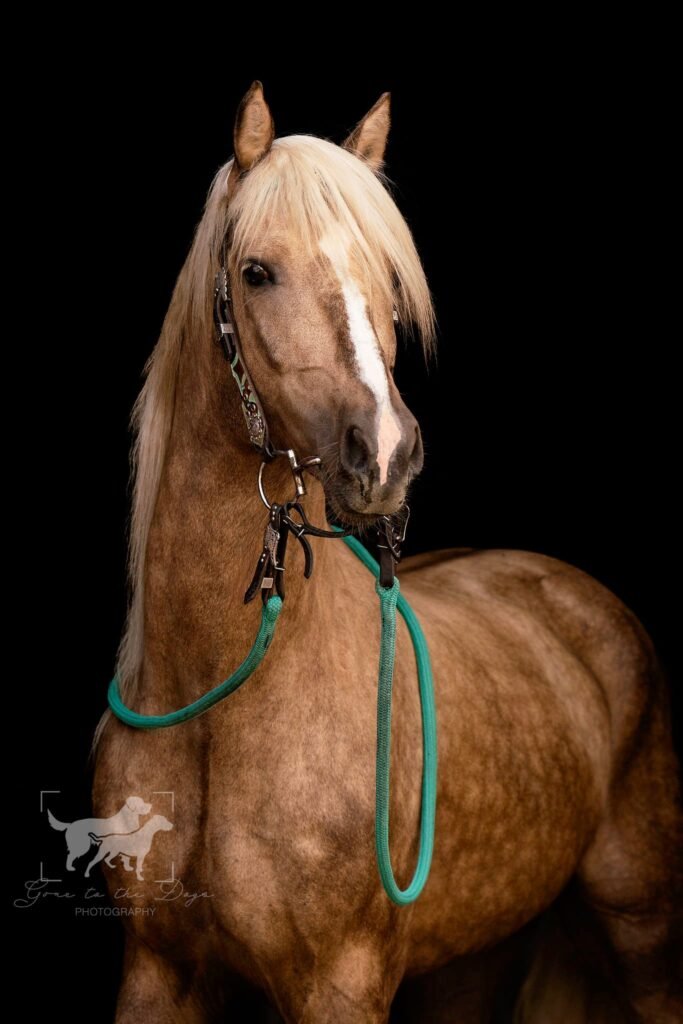
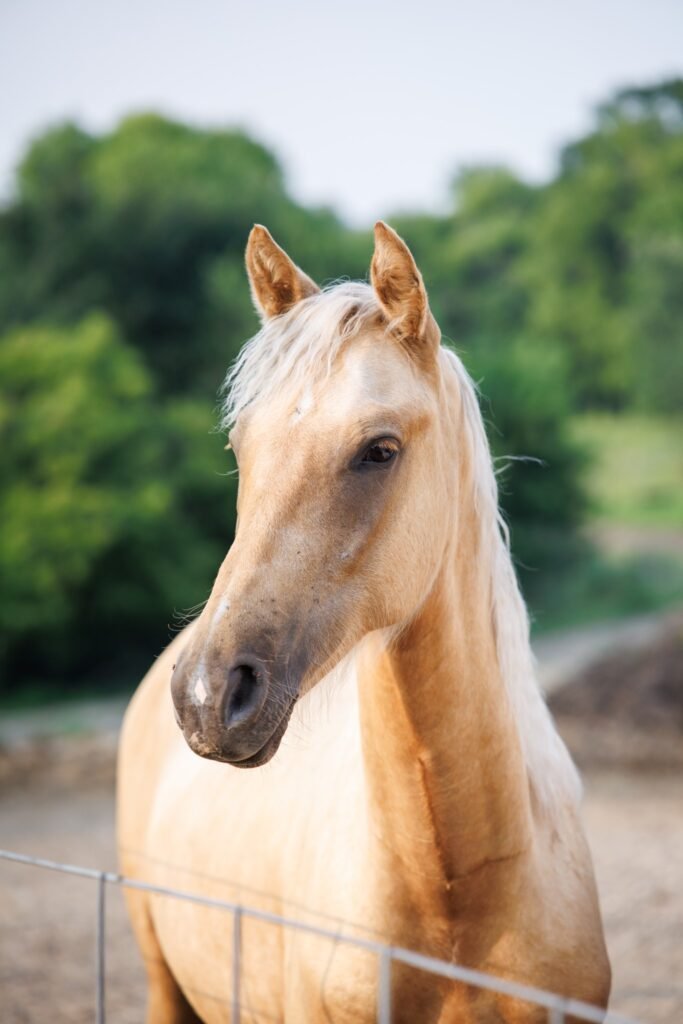
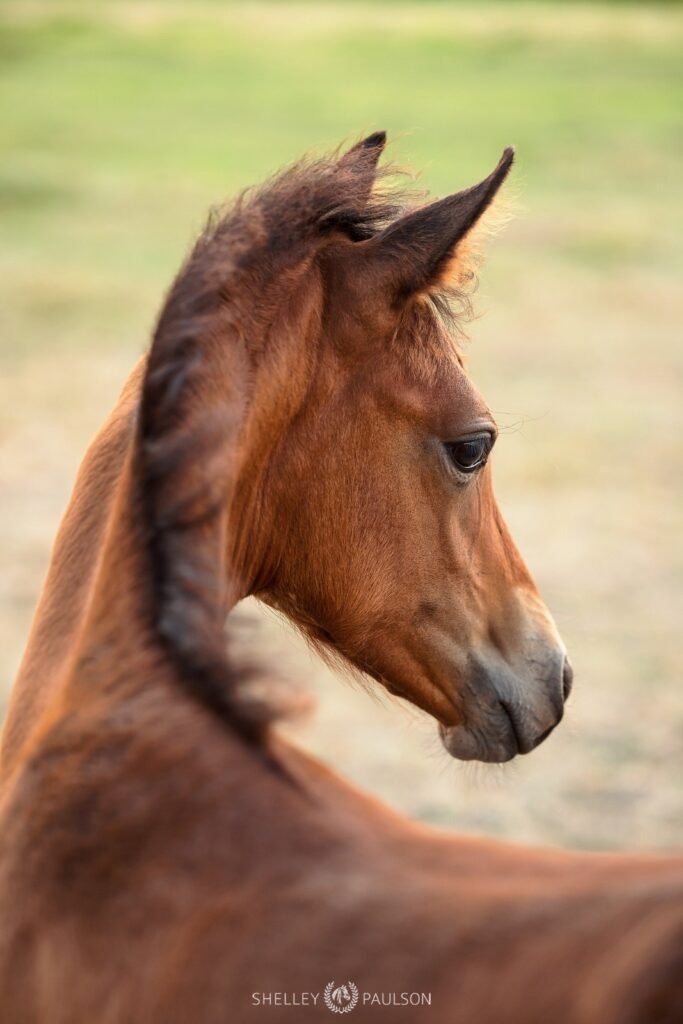
The Morgan Horse
Origin
The Morgan is the first horse breed developed in the United States. Every registered Morgan Horse in the world can trace its lineage back to a bay stallion named Figure, born in 1789 (some say 1791). The little horse was acquired as a colt by schoolteacher Justin Morgan of Randolph, Vermont. Figure gained widespread fame for strength and speed that seemed impossible for his small size and compact build as he consistently outpulled and outran larger, ‘better-bred’ horses.
Figure, later renamed Justin Morgan, was highly prized for his prepotency. He had the extraordinary ability to pass his superb physical traits and exceptional temperament to all of his offspring.
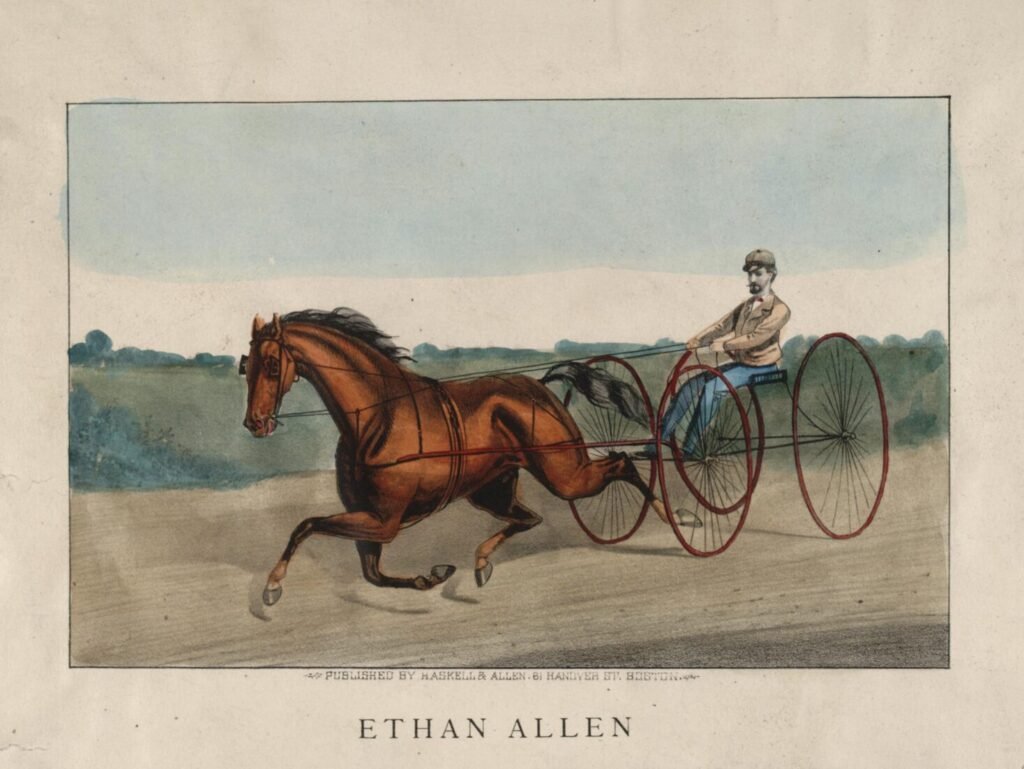
Morgan Horses grew increasingly popular throughout the 1800s. Used for farming, logging, and transportation throughout the states east of the Mississippi River and westward across the frontier, Morgans became the engine of expansion for the new America. During this time, their natural speed dominated the sport of harness racing. Ethan Allen, named the Champion Trotting Stallion of the World in 1853, became a national sensation. His fame brought the breed into the spotlight.
As their recognition and numbers grew, Morgan horses were sought to cross with other breeds to produce horses for specific purposes. The results were new breeds such as the Tennessee Walker, the Missouri Fox Trotter, the Hackneys of England, and others. Later, the foundation stock of the American Quarter included many Morgans as well.
The Cavalry
During the 19th century and particularly during the Civil War, Morgan horses were used extensively by the U.S. Cavalry. Their resilience, endurance, and calm nature led to their status as a premier Cavalry mount. In 1907 the USDA established the U.S. Government Morgan Horse Farm in Vermont with the aim of consistent production of robust, reliable horses for the US Cavalry.
General Gates (great-grandson of Ethan Allen) was the primary stallion at the Farm from 1907 to 1921. Among his many progeny were Bennington (sire of the four full brothers Mansfield, Canfield, Ulysses, and Querido) and Red Oak, who was purchased by Dick Sellman for the Sellman Ranch in Texas. View General Gates in the AMHA Photo Archive.
By the mid-20th century, war horses had become obsolete. In 1951, the USDA transferred the Farm and 25 horses to the University of Vermont; the other horses were dispersed to land-grant colleges and to the public. The qualities that made Morgan Horses exceptional cavalry mounts were highly valued by breeders who appreciated versatile, intelligent, athletic horses with superior staying power and courage. The influence endures: Western Working Morgan lines and many contemporary sport and show bloodlines reflect the legacy of the Government Morgan Horse Farm .
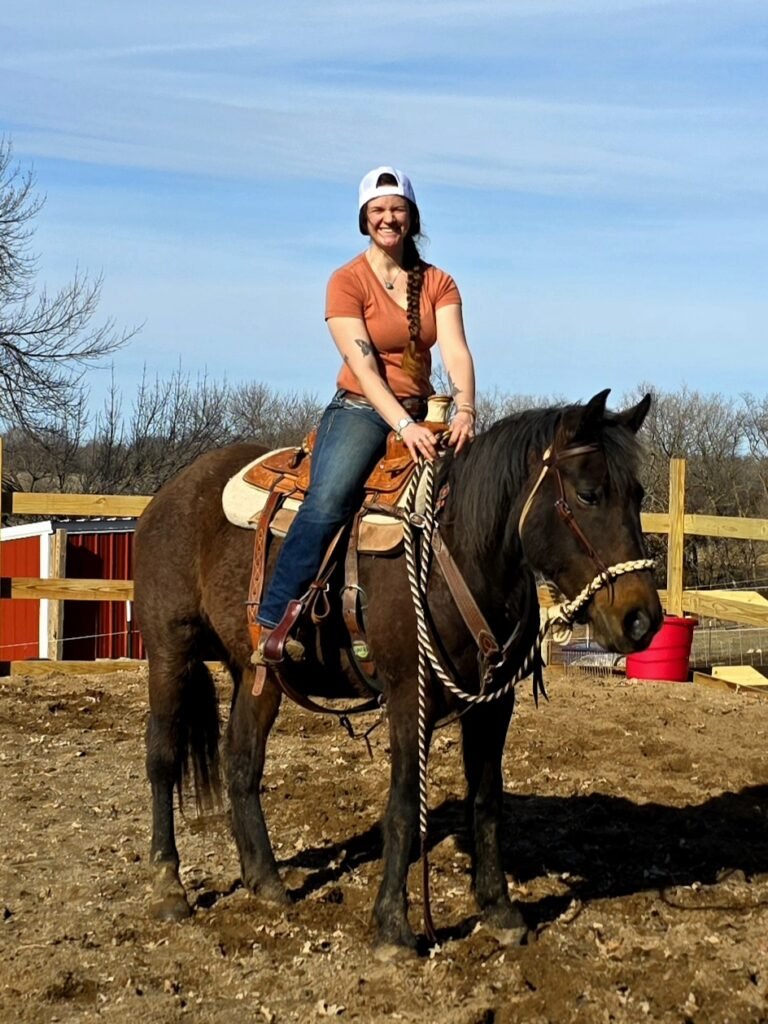
Today’s Morgan Horses
According to The American Morgan Horse Association (AMHA), there are around 90,000 living registered Morgan Horses in the world. They are distinguished by their calm, tractable temperament, their physical hardiness, and above all by their versatility.
Morgans have represented the United States at multiple Combined Driving World Championships. Their natural collection and remarkable memory continue to distinguish them in Dressage. They excel in Western events such as Reining, and in Working Cow Horse challenges their ability to read a cow and react instantly is just magic. This talent, combined with their agility and stamina, makes them exceptionally suited for riders handling cattle in big pastures and rough country.
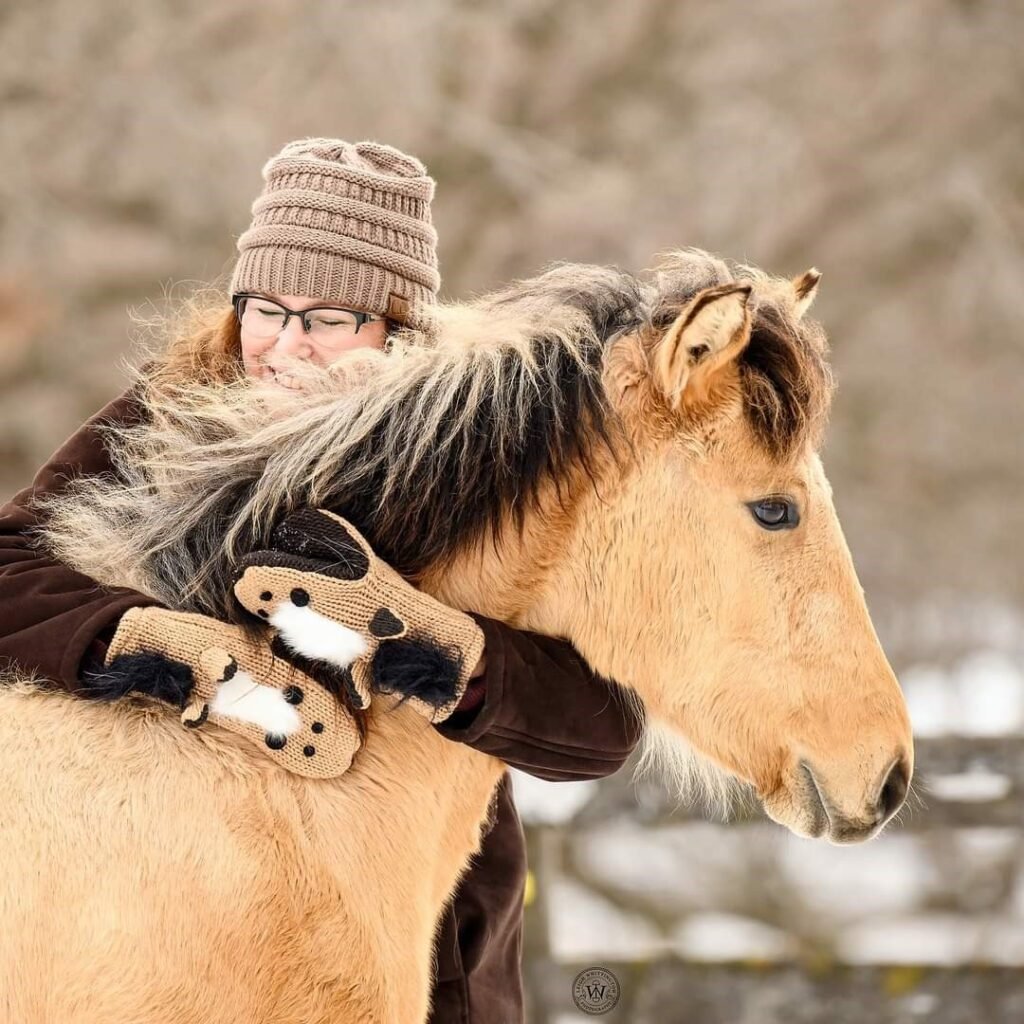
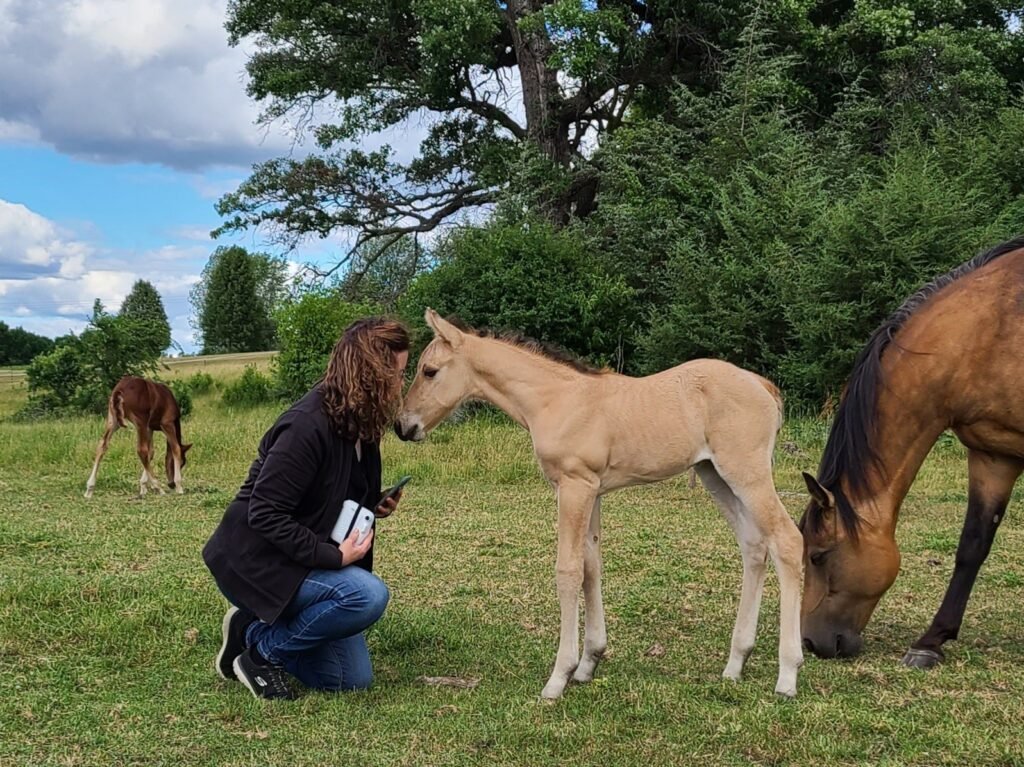
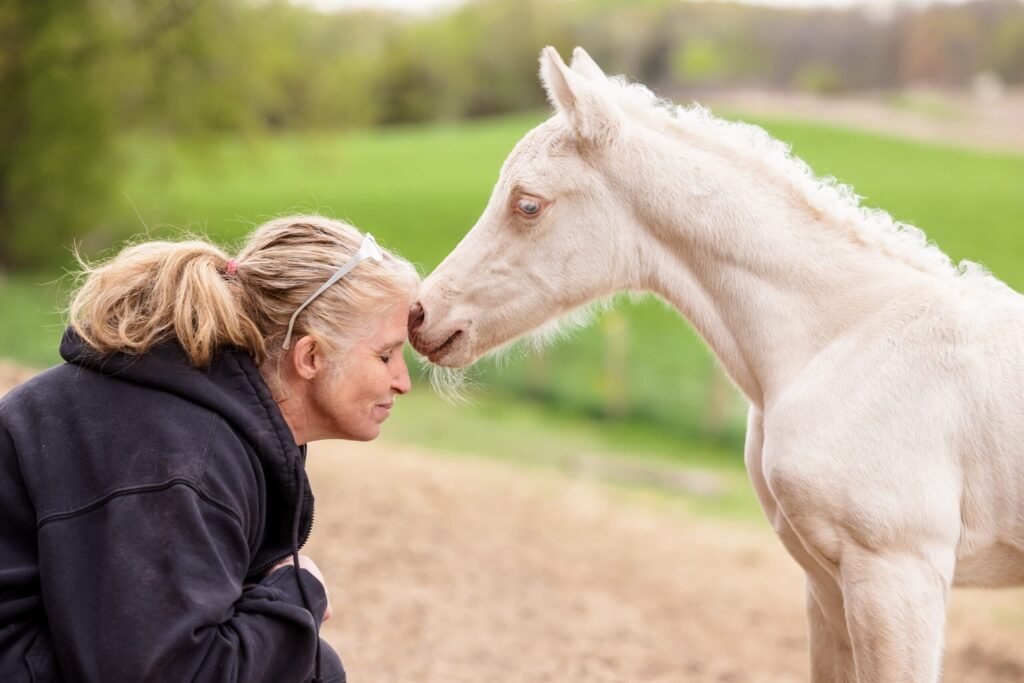
Photos by Shelley Paulson Photography
The Connection
The Morgan’s natural composure, inquisitive intelligence, and willing spirit offer something many horsemen spend a lifetime searching for: a genuine, connected relationship. No matter their calling, Morgans continue to prove that the traits consolidated in one little bay stallion in 1789 are more relevant now than ever.